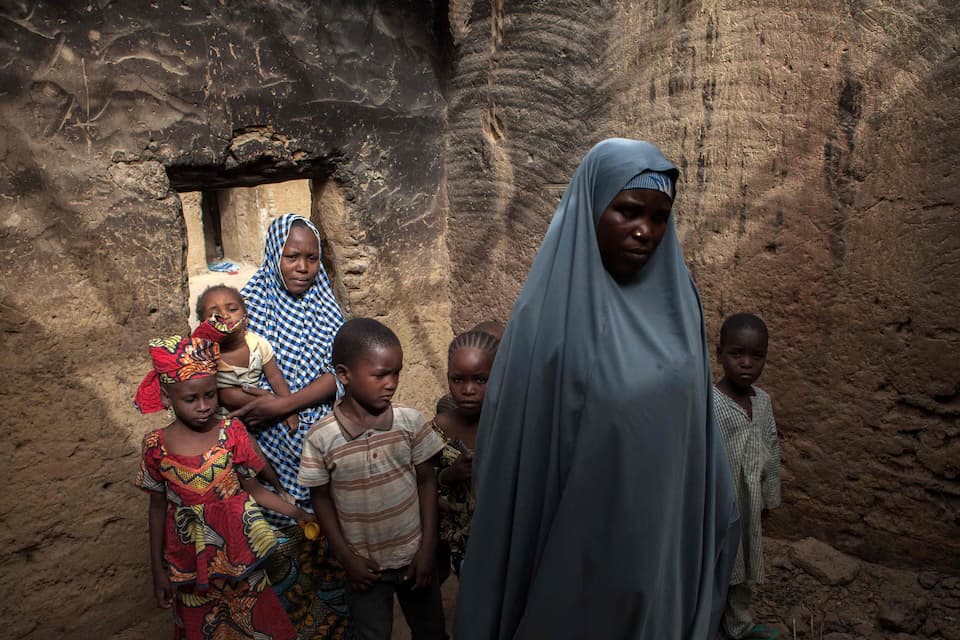
Women and Girls have enormous potential to transform Nigeria. Investing in girls today will improve productivity and growth and also lead to a more peaceful, healthy and skilled workforce tomorrow.
The degree of contribution of women to current and future economic growth is unfortunately not visibly reflected in budgetary allocations and government policies. In Nigeria, an estimated total of 54 million women live and work in the grassroots communities and contribute over 60% of the rural workforce. However, these women are largely marginalized in the economic distribution of resources, infrastructure and wealth generation.
Equity and balance can only be achieved when measures are instituted to ensure that women can access, generate and control as much as they contribute.
Progress and advancement does not come lopsided, it is always achieved where there is a measure of balance.
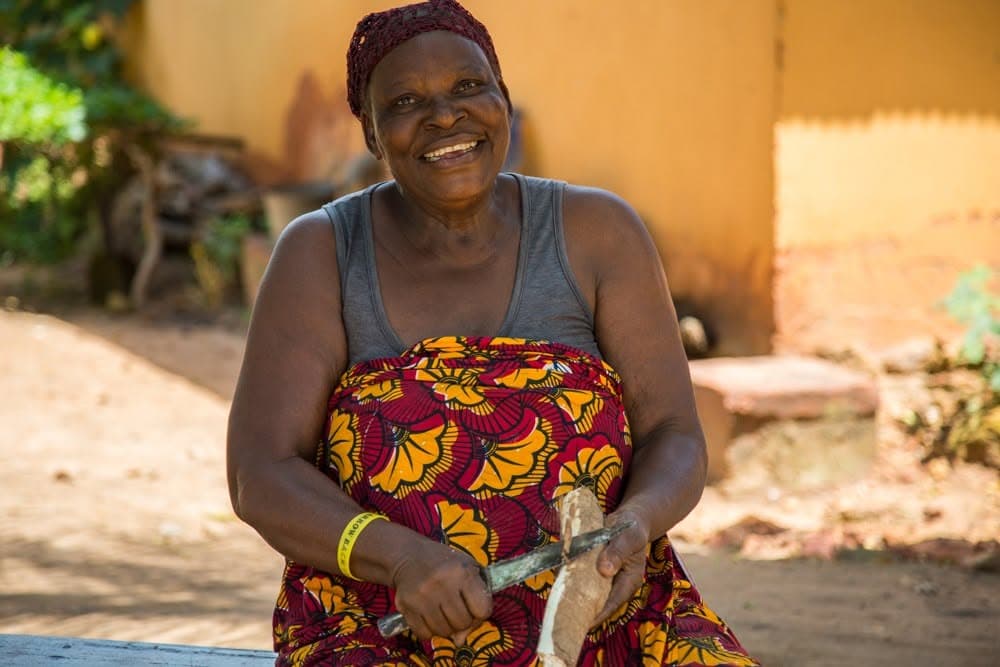
Women constitute a large percentage of active contributors in the Informal Sector.
For the rural Nigerian women, it was imbibed in them from childhood and has served both as a hobby and a source of income. Some of these women have a hard time trying to acquire farmlands because they live in a patriarchal society where ownership of lands by women is something unheard of. They toil, sweat and earn a living to buy lands in the names of their husbands and sons. Despite the injustice done to women and the low chances of being successful, these women thrive and they take pride in their handwork.